Dry needling in Homer, Alaska
Target tight muscles. Restore comfortable movement.
ChiroTherm combines a careful musculoskeletal examination with dry needling and, when clinically useful, live thermographic observation to help address painful trigger points and restricted movement.
What is dry needling?
Dry needling uses a thin, sterile, single-use filament needle to address sensitive areas within muscle and connective tissue. It is intended to complement a broader plan for pain, mobility, and function—not simply treat one sore spot in isolation.
Trigger-point care
Targets taut, sensitive muscle bands that may contribute to pain, guarding, or referred discomfort.
Improved mobility
May help reduce muscular restriction so joints and movement patterns can be addressed more effectively.
Recovery support
Can be incorporated with adjustments, neuromuscular re-education, and home recommendations.
Muscles that stay tight, painful, or limited
- Neck and shoulder tension
- Low-back and hip muscular pain
- Sports and overuse problems
- Persistent trigger points
- Restricted motion
- Muscle guarding after injury
- Recurring tightness that limits activity
An additional view of physiologic patterns
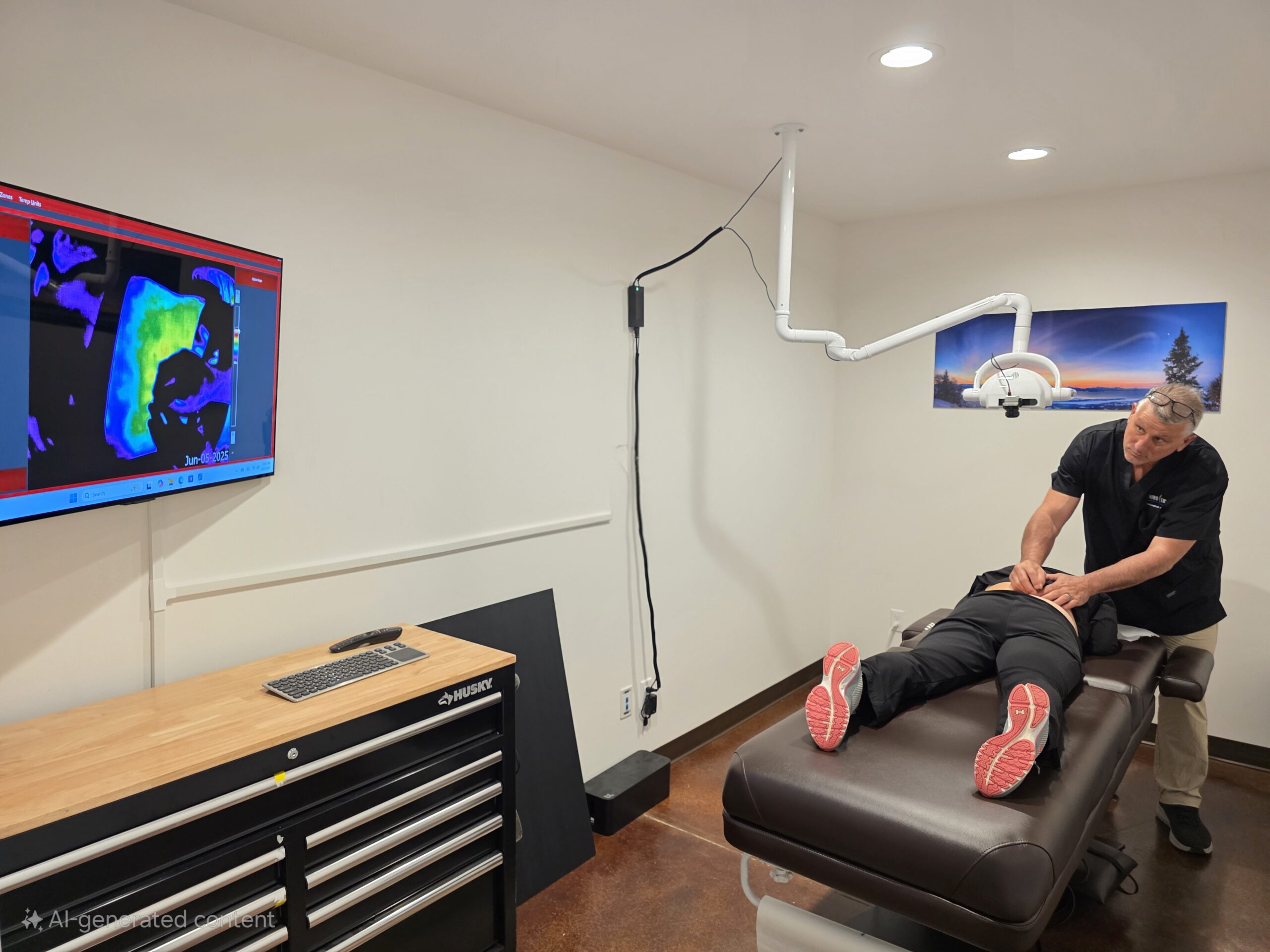
ChiroTherm can use live infrared thermography to observe localized heat patterns and side-to-side differences during the examination. These findings do not diagnose a trigger point by themselves; they are considered alongside palpation, movement testing, symptoms, and the clinical examination.
When a thermal pattern corresponds with the physical findings, it can provide another visual reference before and during care.
Advanced needling and acupuncture training
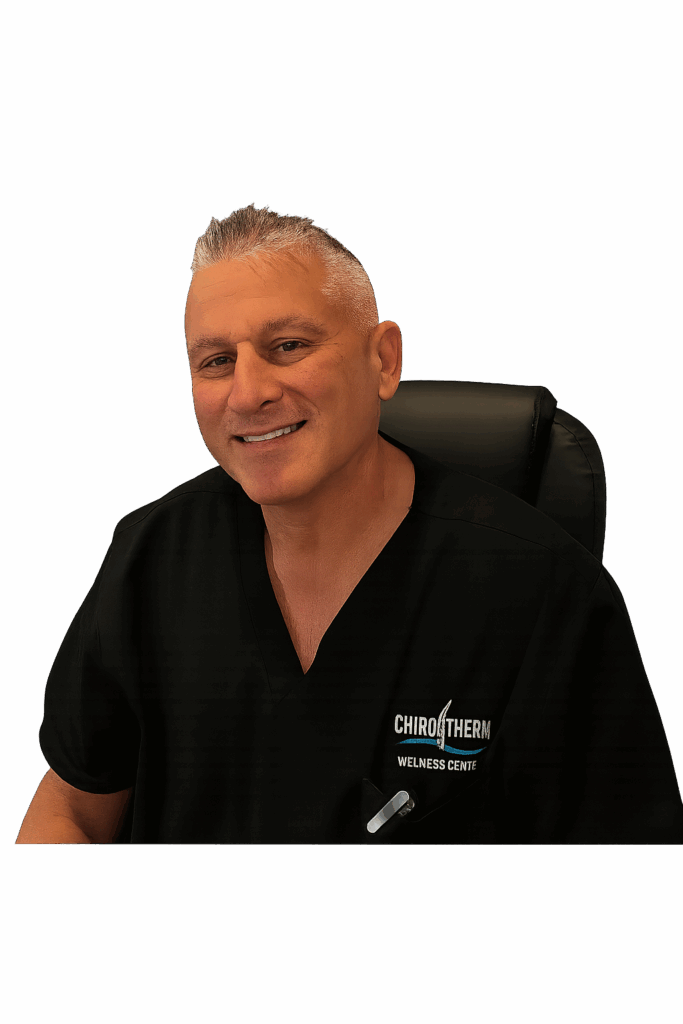
Dr. Anthony Piana has practiced since graduating from Palmer College of Chiropractic in 1991. His background includes board certification in acupuncture in Connecticut in 1995, completion of a 1,000-hour program, and six years of clinical apprenticeship and training.
That experience informs a careful approach to anatomy, needle placement, patient comfort, and integration with chiropractic and neuromuscular care.
What to expect
Evaluation
We review your symptoms, health history, movement, and relevant muscular and joint findings.
Targeted treatment
Sterile, single-use needles are placed only where the examination indicates they may be useful.
Recheck and next steps
Movement and symptoms are reassessed, and we discuss appropriate activity or follow-up care.
Dry needling is one part of the plan
Depending on your examination, care may also include chiropractic adjustments, neuromuscular re-education, mobility work, red light therapy, or home exercises.
Dry needling FAQs
Is dry needling the same as acupuncture?
No. Both use thin filament needles, but dry needling is generally directed toward musculoskeletal findings such as trigger points and restricted or painful muscle tissue. The clinical purpose and assessment approach differ.
Does dry needling hurt?
Most patients feel little when the needle enters the skin. A brief ache, cramp, or muscle twitch can occur when a sensitive area is reached. Temporary soreness afterward is possible.
How many sessions will I need?
That depends on the condition, its duration, your examination, and how you respond. We do not use one fixed schedule for everyone.
Is dry needling appropriate for everyone?
No. We review medical history, medications, pregnancy status, bleeding risk, skin conditions, and other relevant factors before treatment. Alternatives are available when needling is not appropriate.
What should I wear?
Wear comfortable clothing that allows access to the area being evaluated. Gowns or draping can be used when needed.
Ready to address stubborn muscular pain?
Schedule an evaluation at ChiroTherm Wellness Center in Homer.
Results vary. Dry needling is provided after an appropriate evaluation and is not a substitute for emergency or specialty medical care when indicated.
Thermography during care
View clinical training & mentorship
Dr. Anthony Piana
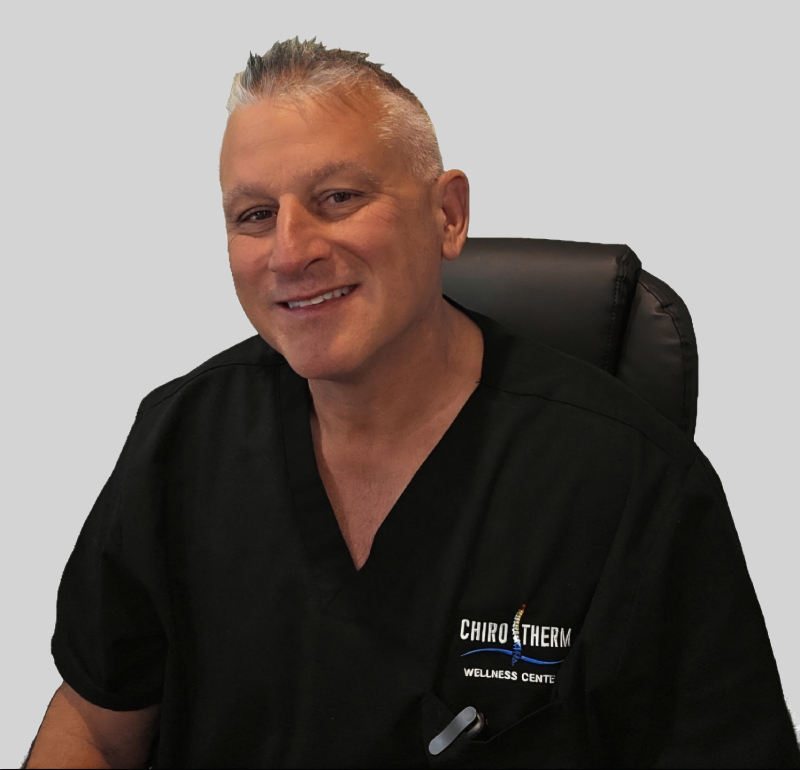
- Palmer College of Chiropractic, Class of 1991
- Board Certified in Acupuncture (CT, 1995)*
- 6 years of clinical apprenticeship and training
- Completed 1,000-hour program
- 35+ years of clinical experience
- 4th degree BB in Tang So Do
Richard Magdaleno, OMD
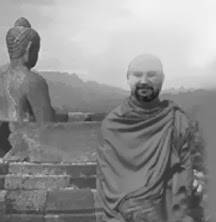
Richard Magdaleno, OMD — Dr. Piana’s late mentor
- Seoul Korea School of Oriental Medicine
- Clinical practice 50 years
- Grandmaster in Tang So Do
- Board of CT Acupuncture
- Qi Gong Instructor
- US Special Forces, Vietnam