
Patient Education
Explore the patient education resources and books provided by Dr. Anthony Piana.
3D Practice
3D patient education videos
Choose a topic, then select a video. These animations illustrate examples; your examination determines your diagnosis and care plan.
Neck & posture
Facet Syndrome - Cervical
Forward Head Posture
Cervical Left Bulge
Whiplash
Cervical Central Bulge
Low back & spine
Herniated Disc
Lumbar - Left Bulge
Lumbar Central Bulge
Scoliosis
Spinal Stenosis
Shoulder & knee
Rotator Cuff Injury
Impingement Syndrome
Meniscus Injury
Patellar Tendonitis
Elbow, ankle & foot
Epicondylitis
Golfers Elbow
Plantar Fasciitis
Shockwave - Plantar Fasciitis
Ankle Sprain
Other educational topics
Understanding your body
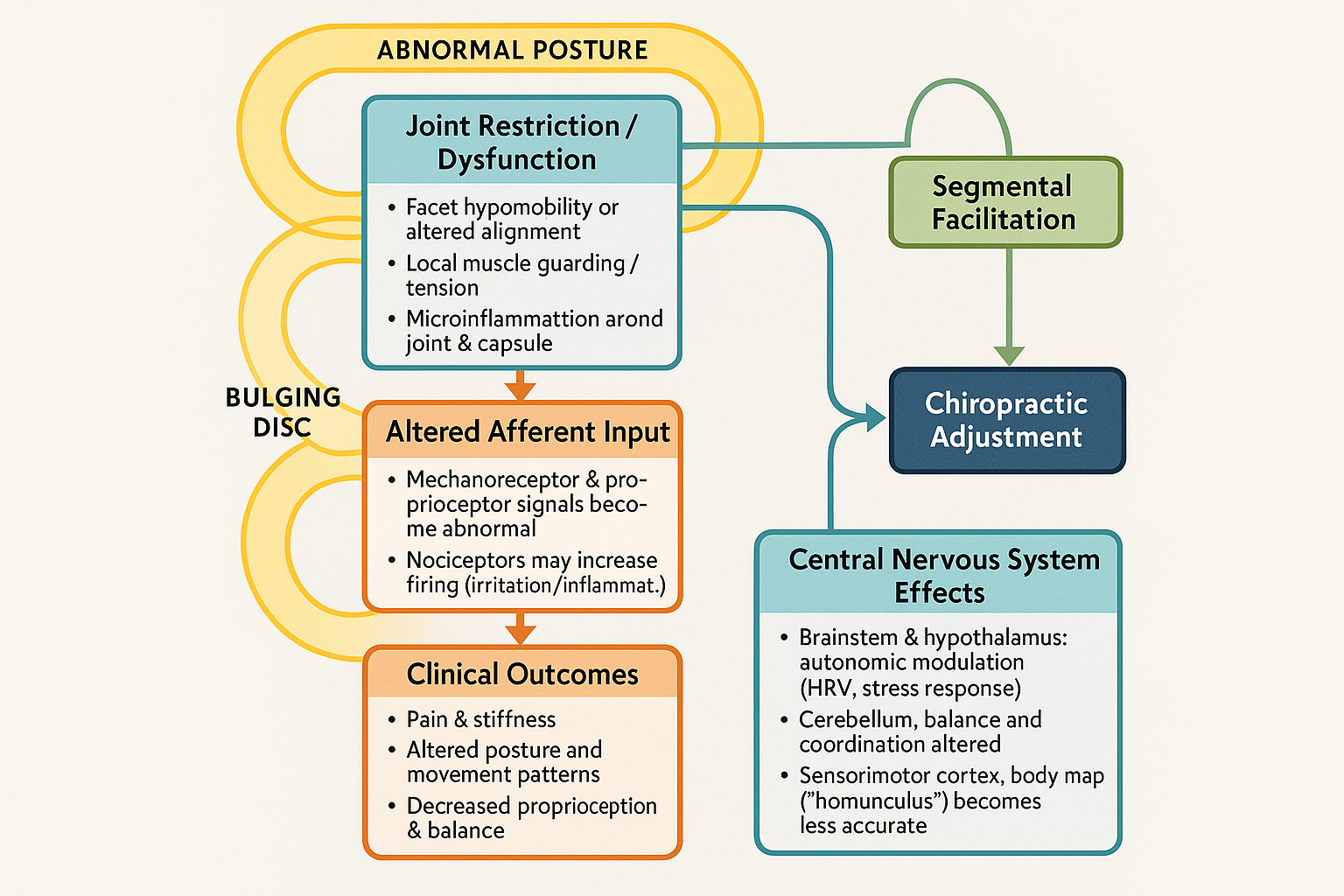
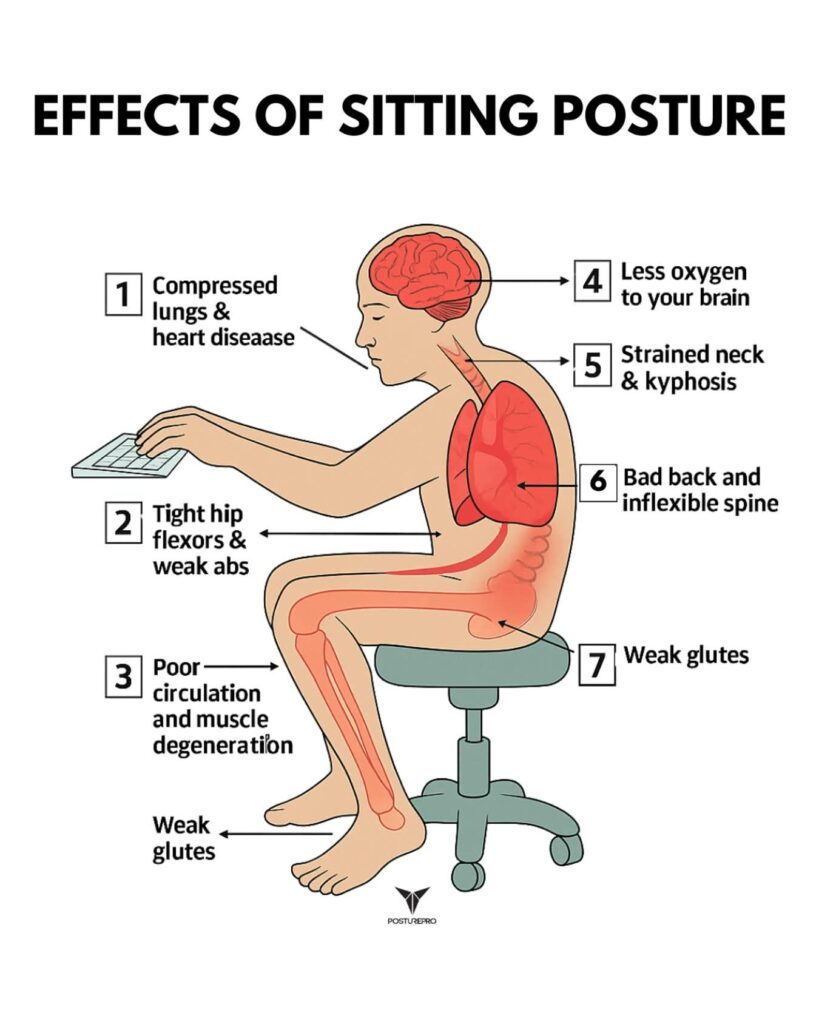
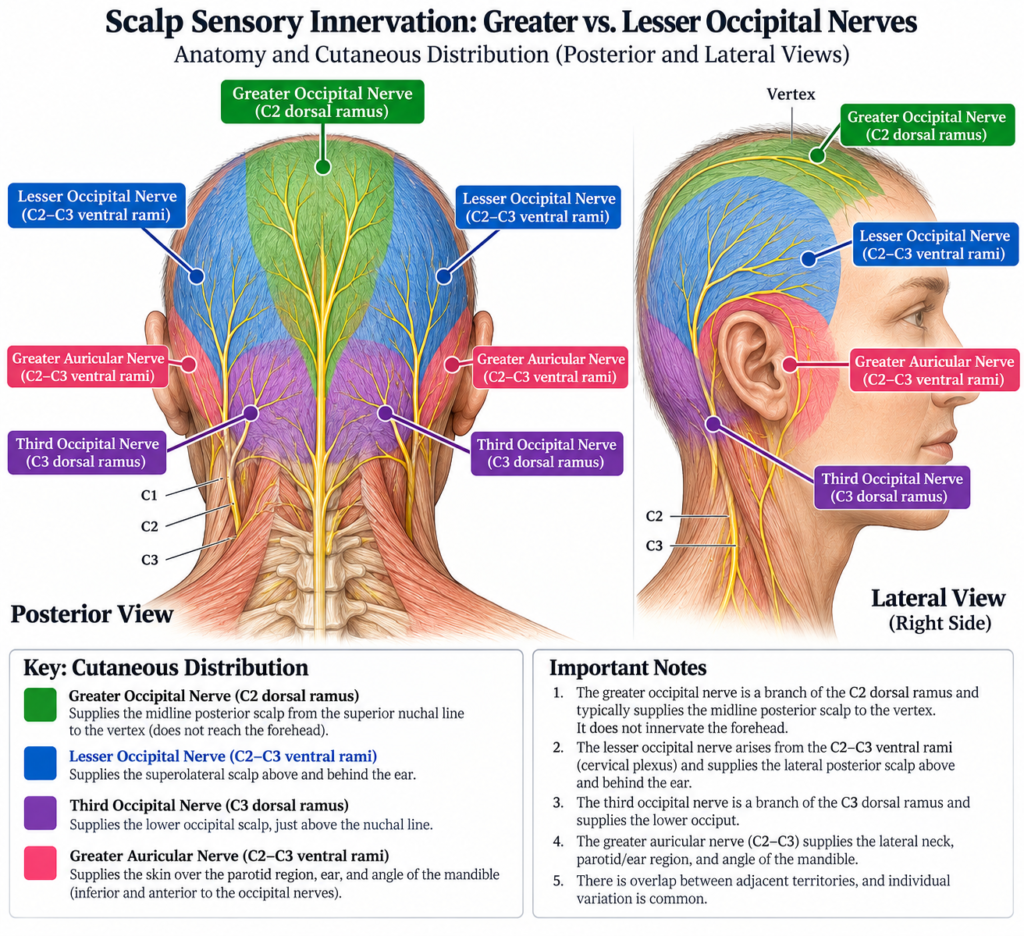
Explore the illustrations below, or ask us how they relate to your own care.
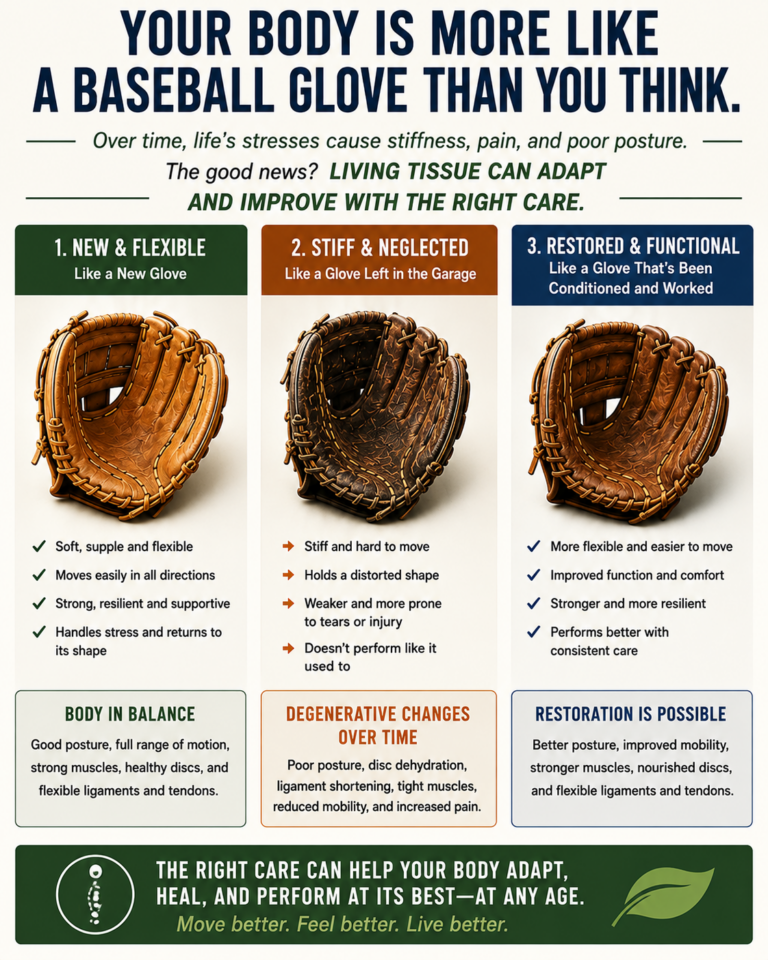

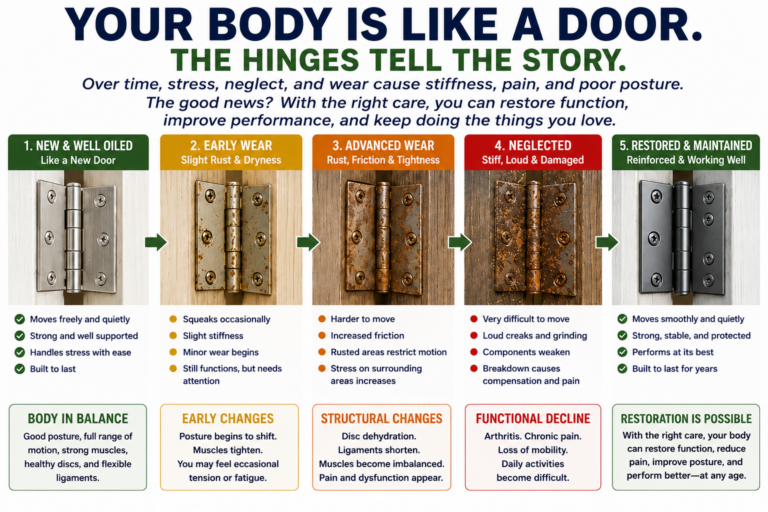
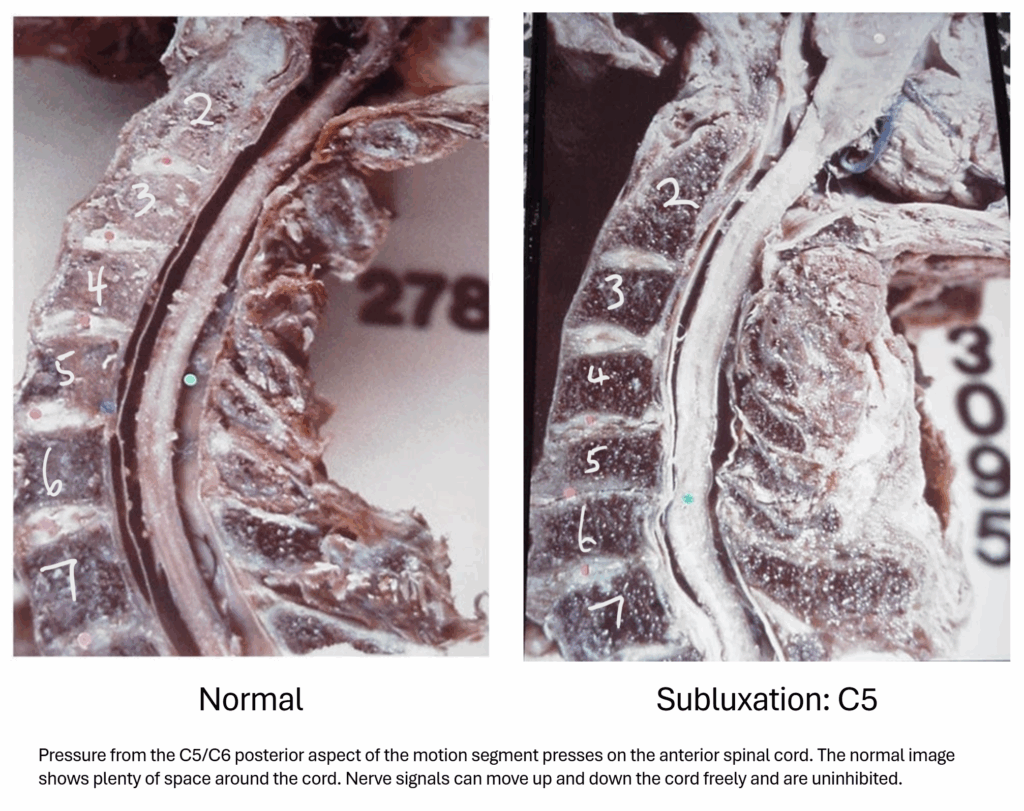
Subluxation Explained by Modern Neurological Terms.
Books by Dr. Piana
Modern Subluxation
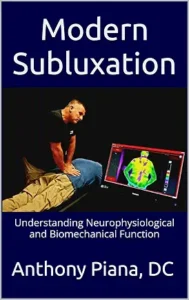
A book exploring spinal function, neuroscience, and the chiropractic concept of subluxation.
Read the full book description
Modern Subluxation What really happens inside the nervous system when the spine stops moving the way it should?
For more than a century, chiropractors have spoken about the importance of spinal health, but modern neuroscience is finally catching up with the depth of those insights. This book bridges history, clinical observation, and cutting-edge science to explain the chiropractic concept of subluxation in contemporary terms.
Instead of outdated language about “bones out of place,” readers will discover how subluxation is best understood as segmental dysfunction with neurological consequences. From altered afferent input and spinal cord facilitation to cortical changes, posture, and autonomic imbalance, this book traces the entire cascade of dysfunction — and how adjustments can reset it.
In these pages you’ll explore:The anatomy and biomechanics of the functional spinal unit.
How subluxation alters afferent input and spinal cord processing.
The role of the brainstem, cerebellum, and cortex in posture, balance, and pain.
Clinical manifestations of dysfunction: posture collapse, disc pathology, headaches, and fatigue.
How chiropractic adjustments restore motion and recalibrate the nervous system.
The importance of postural retraining and long-term neurological reset.
Chiropractic’s influence on the autonomic nervous system, stress, and resilience.
Evidence, controversies, and the future of chiropractic in integrative healthcare.
Written for patients, chiropractors, physicians, and allied health providers, The Neurology of Spinal Subluxation explains chiropractic in the language of modern science while honoring its roots.
Whether you’re seeking clarity about your own health, looking to understand chiropractic care more deeply, or searching for common ground between chiropractic and mainstream medicine, this book offers a compelling, science-informed perspective on how spinal health shapes neurological function — and overall well-being.
Chiropractic 911
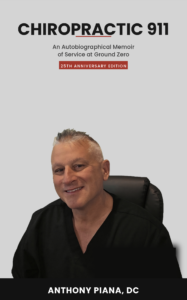
Dr. Piana’s memoir of providing care to first responders at Ground Zero, updated for the 25th anniversary.
Read the full book description
Chiropractic 911 (25th Anniversary Edition) is an autobiographical memoir by Dr. Anthony Piana, a chiropractor who volunteered at St. Paul’s Chapel in the weeks following the attacks on the World Trade Center. Written originally in the immediate aftermath and later revised with historical perspective, this book offers a rare, firsthand account from inside one of the most important support centers serving first responders at Ground Zero.
Working sixteen-hour shifts, Dr. Piana treated hundreds of exhausted police officers, firefighters, ironworkers, military personnel, and relief workers each day—men and women operating under extreme physical and emotional strain. Inside the chapel, chiropractic care became an essential part of sustaining those who were returning daily to what could only be described as a war zone.
Beyond the clinical work, this memoir captures moments that defined that time: walking through the restricted ruins of Ground Zero, standing at the edge of the crater where the towers fell, witnessing the toll of heat, smoke, and trauma, and seeing humanity come together across professional, political, and personal boundaries.
Chiropractic at Ground Zero is not a political argument or a technical manual. It is a story of service, faith, and presence—of what it means to show up when debate no longer matters and effectiveness does. It also reflects on the lasting impact of those weeks, including the broader acceptance of chiropractic care within integrated healthcare systems.
Quiet, direct, and deeply human, this book is a testament to healing—not just of the body, but of purpose—in the aftermath of tragedy.
The 25th Anniversary Edition includes a refined and expanded look both at the moment of relief work, and developments retrospectively over the course of a quarter century, and how these efforts have affected the outcome of a whole profession and the lives of many.
Dr. Piana at the time of writing this edition has been in practice for 36 years and is still practicing in Homer, AK, far away from Ground Zero and New York City.